
AI Tools You Can't Ignore in 2026 If You Want to Work Faster
Discover the essential AI tools dominating 2026 that will transform your productivity. From ChatGPT to Cursor, learn which tools will help you work faster and smarter.

In 2026, marketing has fundamentally transformed from simple content generation to sophisticated Campaign Orchestration. Marketing teams no longer merely use AI to write blog posts or create social media content. Instead, they deploy AI agents that manage entire multi-channel campaigns, predict revenue outcomes, automate real-time ad bidding, and coordinate complex customer journeys across dozens of touchpoints.
This evolution represents a paradigm shift in marketing operations. The most effective marketing teams have moved from manually executing tactics to orchestrating AI agents that handle execution autonomously while humans focus on strategy, creativity, and customer understanding. The result is unprecedented scale, personalization, and efficiency that was impossible with purely human-driven marketing.
The marketers thriving in 2026 are orchestrators directing AI agents while providing strategic direction, creative vision, and customer empathy that AI cannot replicate.
The journey from AI-assisted content creation to full campaign orchestration happened rapidly but represents a fundamental rethinking of marketing operations. Early AI marketing tools helped write better copy or generate image variations. Modern AI agents manage complete campaigns from strategy through execution and optimization.
This shift means marketing teams can now run campaigns at scales previously requiring enterprise-level resources. A small team can execute personalized multi-channel campaigns across thousands of customer segments, continuously optimize based on real-time performance data, and maintain brand consistency across hundreds of content pieces—all simultaneously.
The marketers thriving in 2026 understand they're no longer content creators or campaign managers in the traditional sense. They're orchestrators directing AI agents that handle tactical execution while humans provide strategic direction, creative vision, and the customer empathy that AI cannot replicate.
This orchestration approach allows marketing to finally achieve the holy grail: truly personalized communication at massive scale with consistent brand voice and measurable ROI across every channel and customer interaction.
OpenAI Sora : Cinematic Video from Text
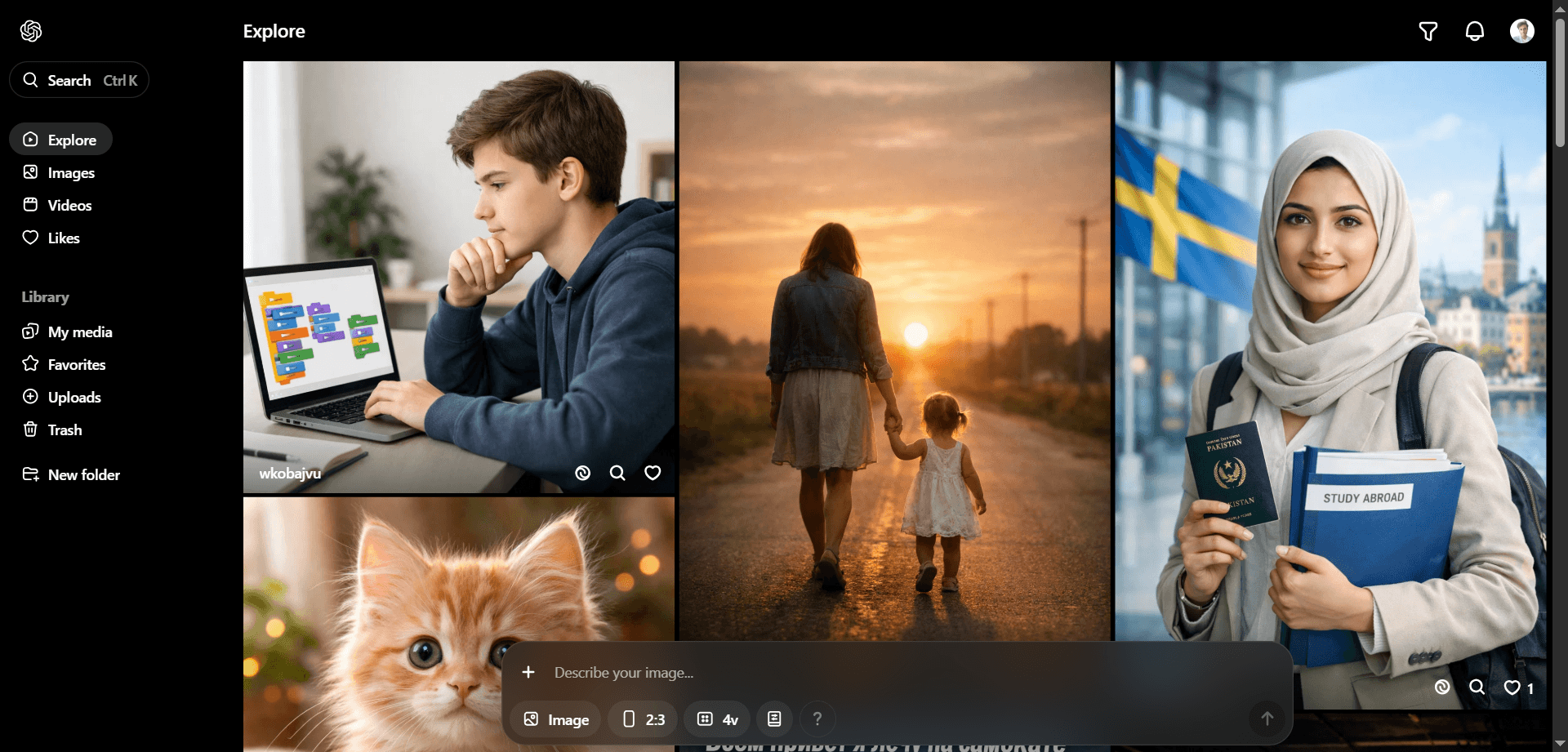
OpenAI Sora has emerged as the powerhouse for high-fidelity text-to-video content creation, enabling brands to produce cinematic advertisements and product demonstrations from simple text prompts. This capability represents a fundamental disruption to video production economics and timelines.
What previously required production crews, location scouting, equipment rental, and weeks of post-production can now be generated in hours from a detailed prompt. Sora creates footage with cinematic quality, realistic physics, and compelling visual storytelling that rivals professionally produced content.
For marketing teams, this means video-first strategies are no longer limited by production budgets or timelines. You can test multiple creative directions, personalize video content for different segments, and respond to trends with video content produced at the speed of culture rather than the speed of traditional production.
The tool excels at product demonstrations where physical filming would be impractical or expensive, brand storytelling that requires fantastical or impossible scenarios, and rapid creation of video ads for A/B testing different creative approaches.
Brands using Sora effectively combine AI-generated base content with human creative direction and refinement, ensuring videos maintain authentic brand personality while leveraging the efficiency and flexibility of AI generation.
HeyGen & Synthesia : Personalized Video Ambassadors
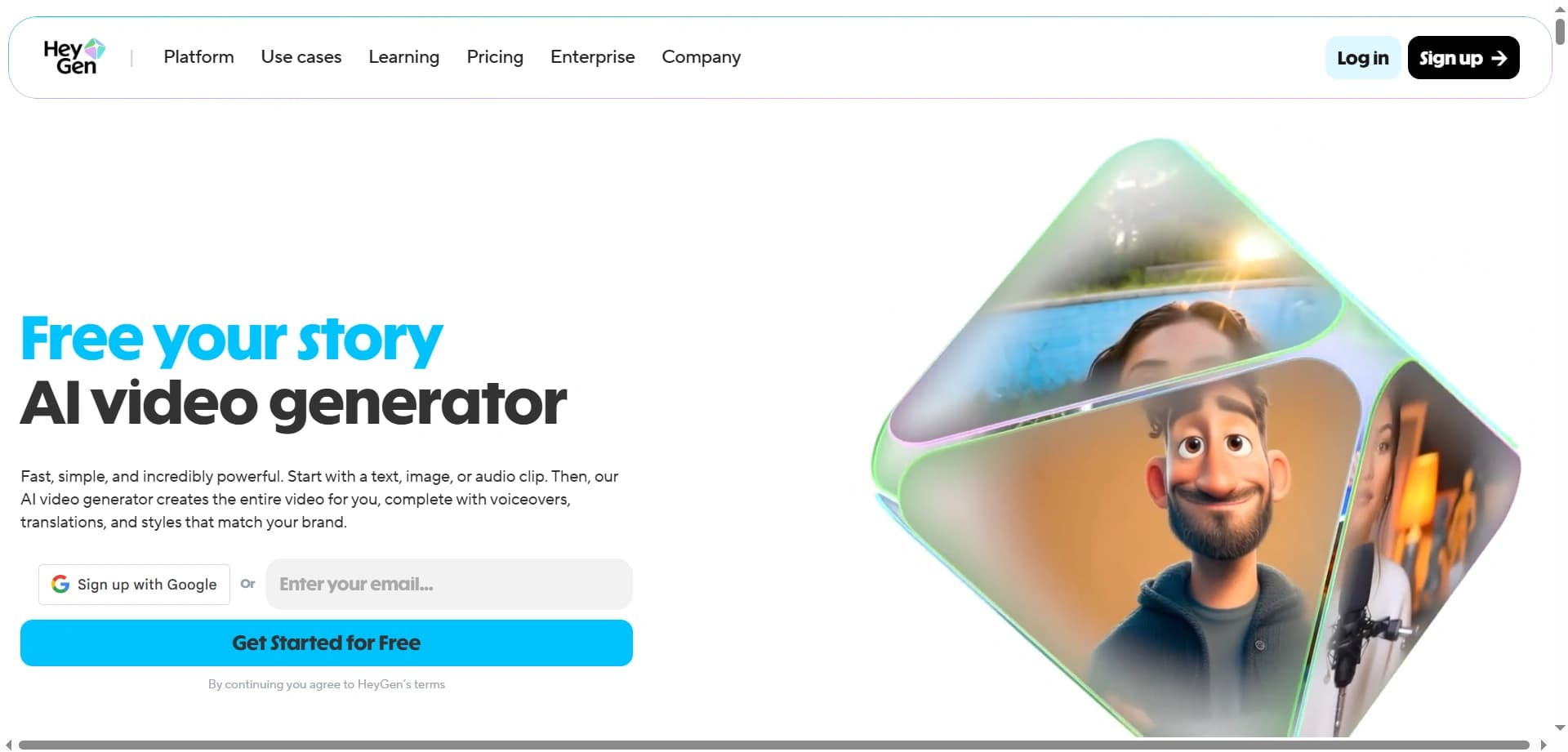
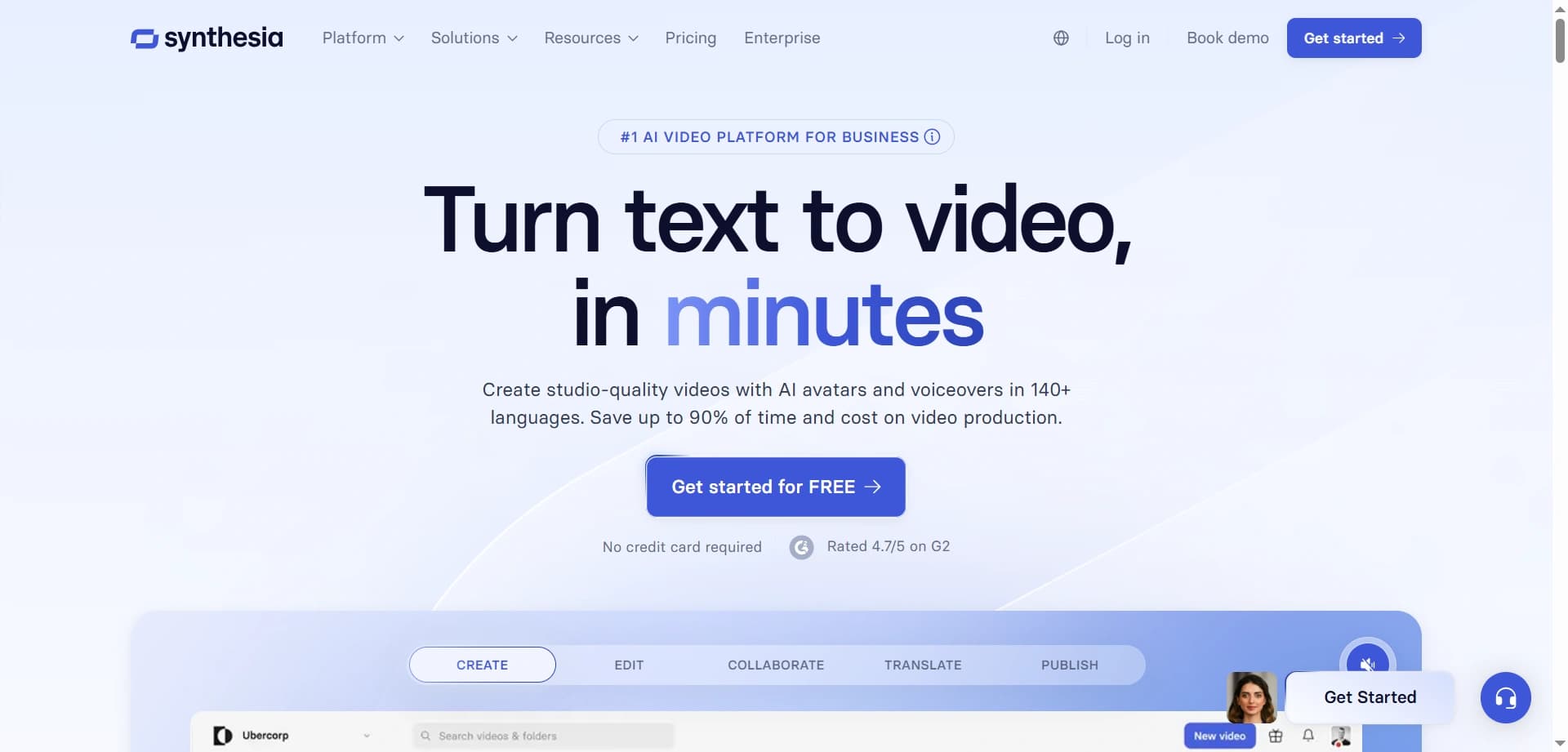
HeyGen and Synthesia have established themselves as the gold standard for AI-generated spokespersons and personalized video content at scale. The 2026 versions offer truly transformative "Personalized Video at Scale" capabilities where you can send unique video messages to thousands of leads, with AI avatars addressing each recipient by name and referencing their specific company or situation.
This personalization creates engagement rates far exceeding generic video content. When a prospect receives a video where the speaker addresses them personally and references their specific business context, it feels like custom attention even though it's AI-generated at scale.
The technology has advanced to the point where avatars appear genuinely human in most contexts, with natural facial expressions, appropriate gesturing, and speech patterns that don't trigger uncanny valley responses. You can create avatars based on real team members or use stock avatars representing your brand personality.
For B2B marketing teams, this enables account-based marketing at previously impossible scales. For e-commerce brands, it allows personalized product recommendations delivered via video. For customer success teams, it enables scalable video onboarding customized to each customer's use case.
The key to effective use is balancing personalization with authenticity—using the technology where personal video truly adds value rather than feeling gimmicky or creepy.
Leonardo.ai : Brand-Consistent Visual Design
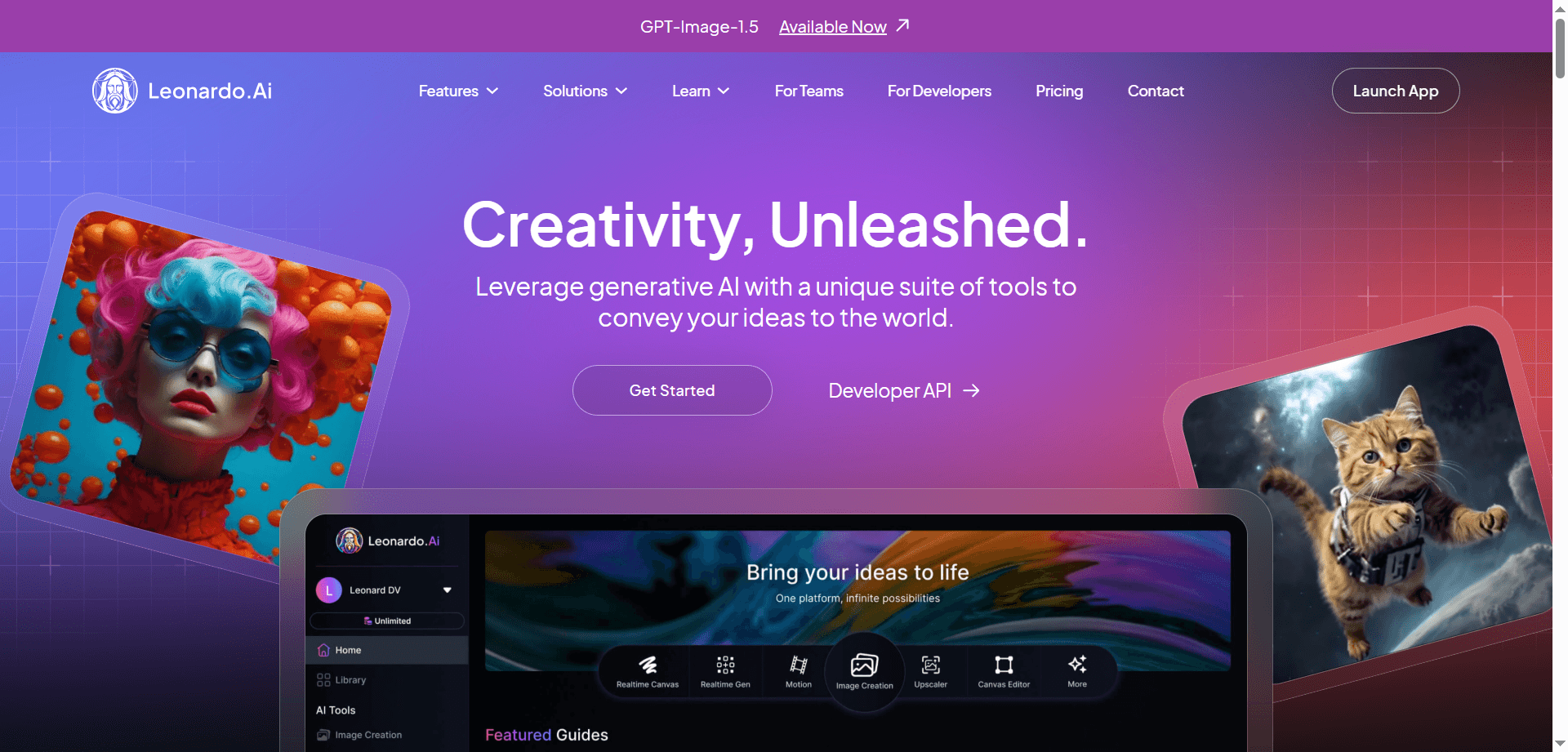
Leonardo.ai has become the preferred tool for branded visual design by offering the ability to train private models on specific brand assets. This ensures every AI-generated image maintains perfect brand consistency—crucial for marketing teams where off-brand visuals damage carefully cultivated brand identity.
The platform allows you to train models on your brand's color palettes, typography, illustration styles, photography aesthetics, and other visual elements. Once trained, the model generates images that look like they came from your internal design team rather than generic AI outputs.
This brand-specific training solves one of the biggest challenges in AI-generated visual content: maintaining the distinctive visual identity that makes your brand recognizable. Generic AI tools produce competent but generic imagery. Leonardo's private models produce imagery that's distinctively yours.
For marketing teams producing high volumes of visual content across social media, display advertising, blog posts, and other channels, Leonardo enables scaling visual production while maintaining the quality and consistency that previously required dedicated design resources for every asset.
Google Flow : Predictive Campaign Analytics
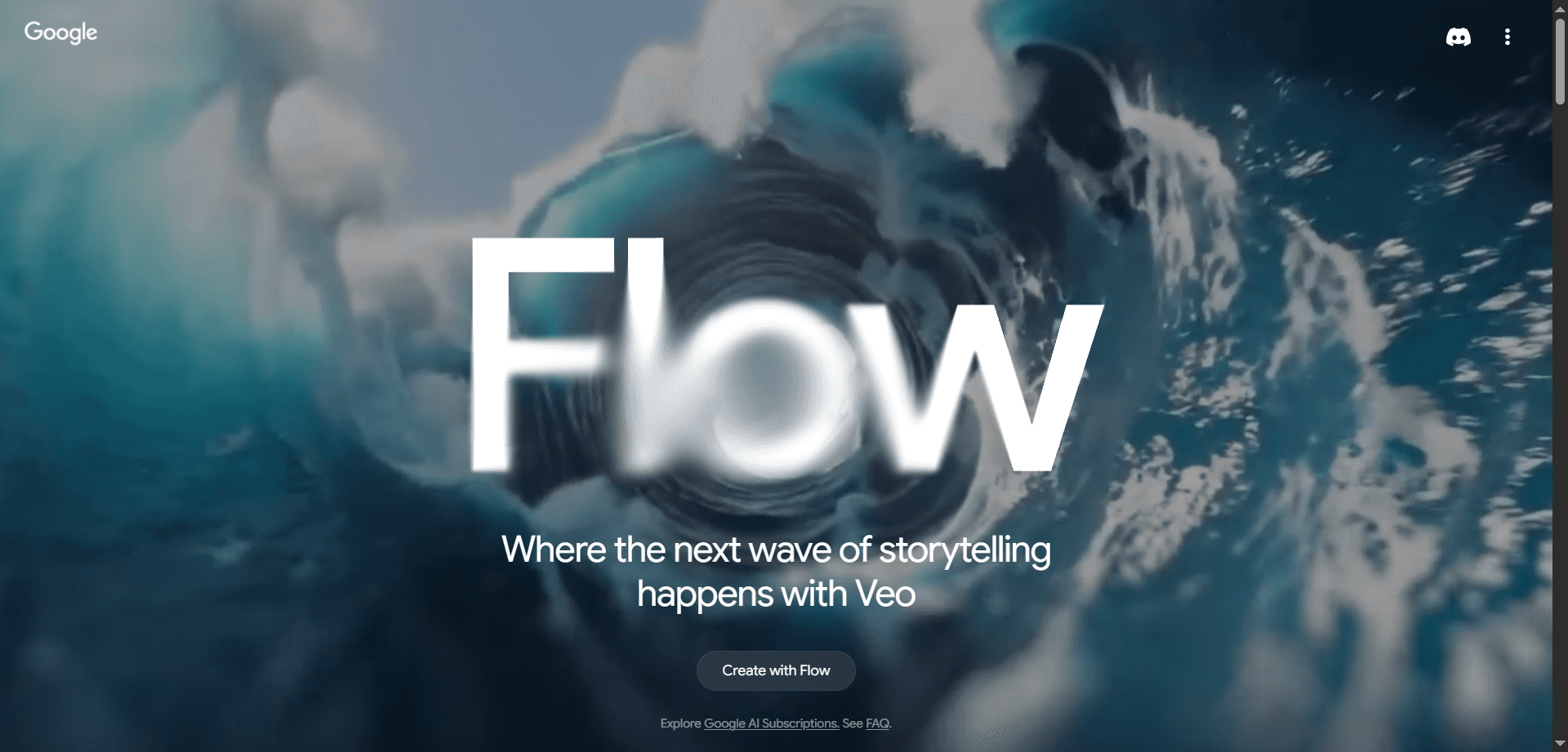
Google Flow has emerged as a trending predictive analytics platform that monitors advertising campaigns in real-time, automatically pausing underperforming ads and reallocating budgets to higher-converting audiences without requiring human intervention. This autonomous optimization represents a massive efficiency gain for marketing teams.
The system continuously analyzes performance data across campaigns, identifying patterns that indicate an ad is unlikely to meet performance targets. Rather than waiting for humans to notice and react to underperformance, Flow makes immediate adjustments, preventing wasted spend on ineffective creative or audiences.
More impressively, Flow predicts which variations and audiences are likely to perform well based on early signals, proactively shifting budget toward winners before comprehensive data confirms the pattern. This predictive capability means campaigns optimize faster and waste less budget on the learning phase.
For marketing teams managing substantial advertising budgets across multiple platforms, Flow provides the continuous optimization that would require a team of analysts working around the clock. The result is consistently better ROAS with less manual management overhead.
Madgicx : AI-Powered E-commerce Advertising
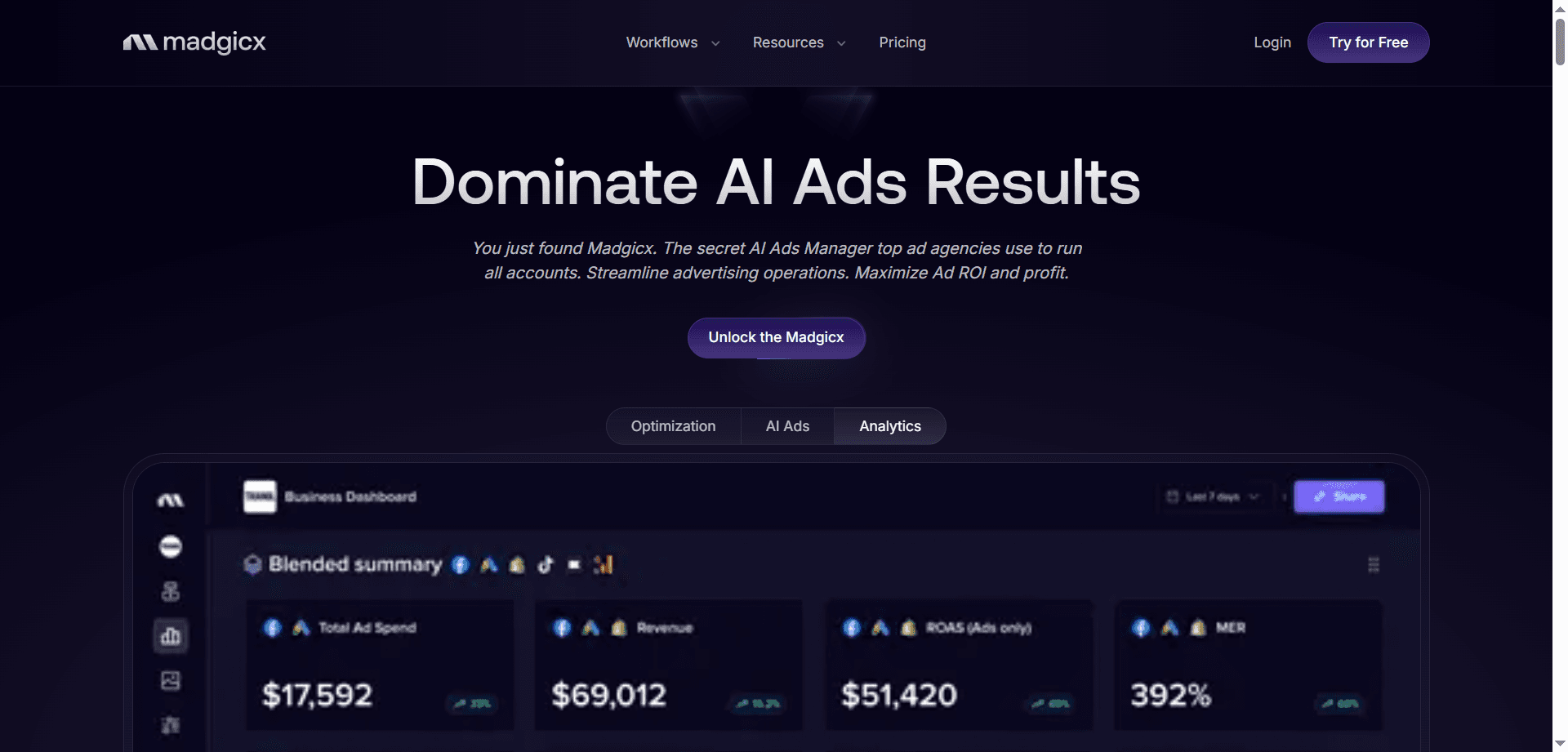
Madgicx has become essential for e-commerce teams running advertising on Meta and TikTok platforms. The tool features an "AI Marketer" providing 24/7 diagnostics on campaign performance with a conversational "Chat with your Data" interface that makes insights accessible without requiring data science expertise.
Instead of manually analyzing campaign metrics and building reports, marketing teams can simply ask questions like "Why did ROAS drop yesterday?" or "Which creative is resonating with women aged 25-34?" and receive immediate, actionable answers backed by actual campaign data.
The AI Marketer continuously monitors campaigns for anomalies, opportunities, and issues, alerting teams to problems before they significantly impact performance and highlighting opportunities for scaling successful campaigns. This proactive monitoring prevents the common scenario where issues go unnoticed until significant budget has been wasted.
For fast-moving e-commerce brands that need to react quickly to performance changes and market trends, Madgicx provides the intelligence layer that enables confident, data-driven decisions at the pace modern marketing requires.
Albert : Autonomous Advertising Agent
Albert represents the fully autonomous end of the advertising spectrum, handling the routine but critical aspects of digital advertising—bidding strategy, audience targeting, creative testing, budget allocation, and continuous optimization—allowing humans to focus exclusively on high-level strategy and creative direction.
The system operates as a true AI agent, making thousands of micro-decisions daily based on campaign performance data, market conditions, and optimization algorithms far more sophisticated than humans could execute manually. It doesn't just assist with these tasks; it handles them completely.
For marketing teams, this means advertising campaigns run continuously optimized without requiring constant human oversight. Albert handles the tactical execution that consumes most advertising management time, freeing marketers to focus on strategy, messaging, and creative development where human insight truly adds value.
The ROI typically comes not just from better campaign performance but from the opportunity cost of freeing senior marketers from routine optimization work to focus on higher-value activities like customer research, brand strategy, and creative direction.
Jasper (Enterprise) : Brand Voice Consistency at Scale
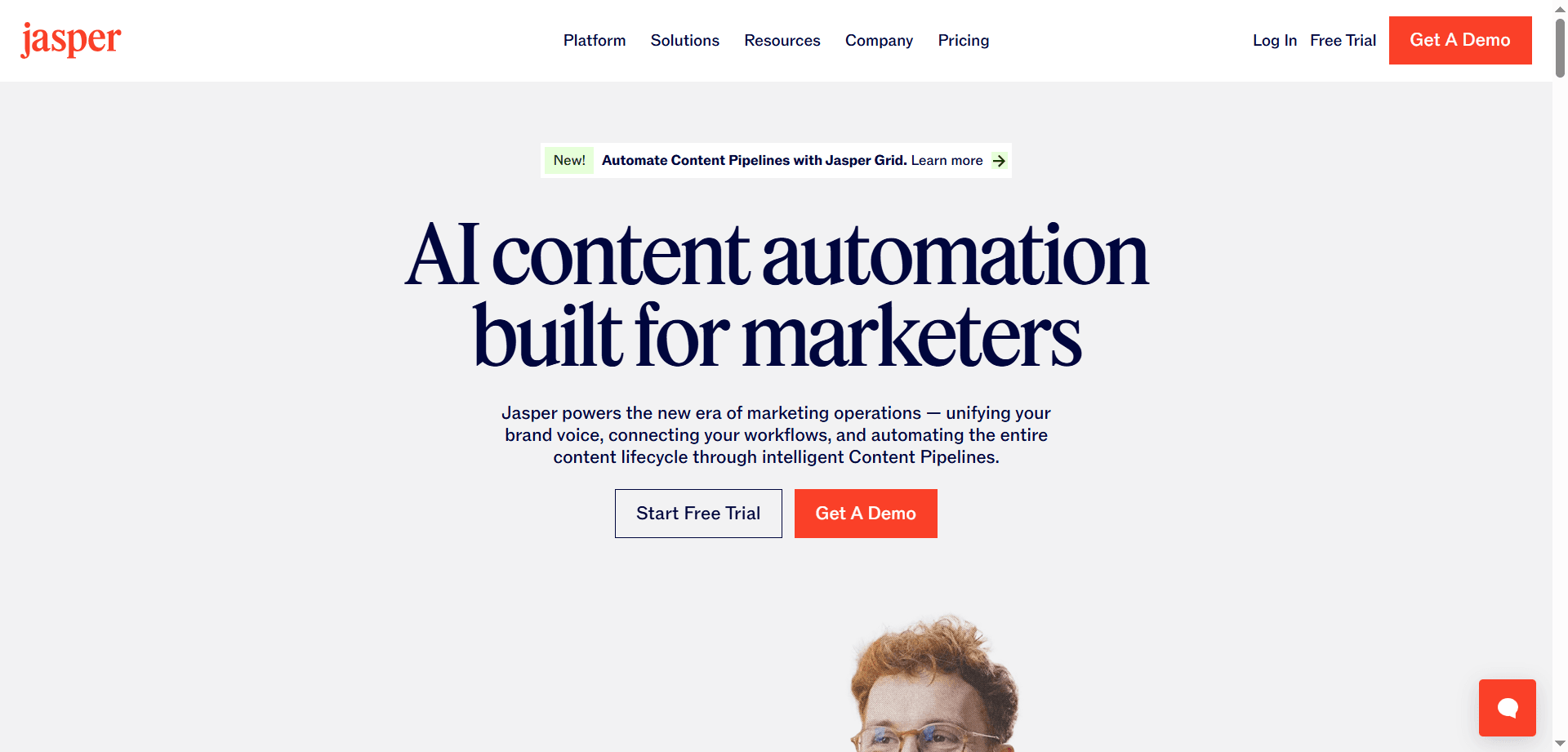
Jasper Enterprise has maintained its leadership position in AI content creation by solving a critical challenge: maintaining consistent brand voice across high-volume content production. The 2026 "Brand Voice" engine scans your entire company content history—website copy, social posts, email campaigns, blog articles—to ensure every new piece matches your specific tone and style.
This consistency is crucial for brand building. When every touchpoint sounds authentically like your brand, you create cumulative brand recognition and trust. When content feels inconsistent—sometimes professional, sometimes casual, sometimes formal—it undermines brand identity and confuses audiences.
Jasper Enterprise doesn't just mimic surface-level patterns; it understands the deeper elements of your communication style: how you address customers, what values you emphasize, how you handle objections, what metaphors and language patterns you favor. The result is AI-generated content that truly sounds like your brand rather than generic marketing copy.
For marketing teams producing dozens or hundreds of content pieces monthly across multiple channels, Jasper enables scaling content production without diluting brand voice—solving the perennial challenge of maintaining quality and consistency at volume.
Surfer SEO (2026 Edition) : Optimizing for AI Search
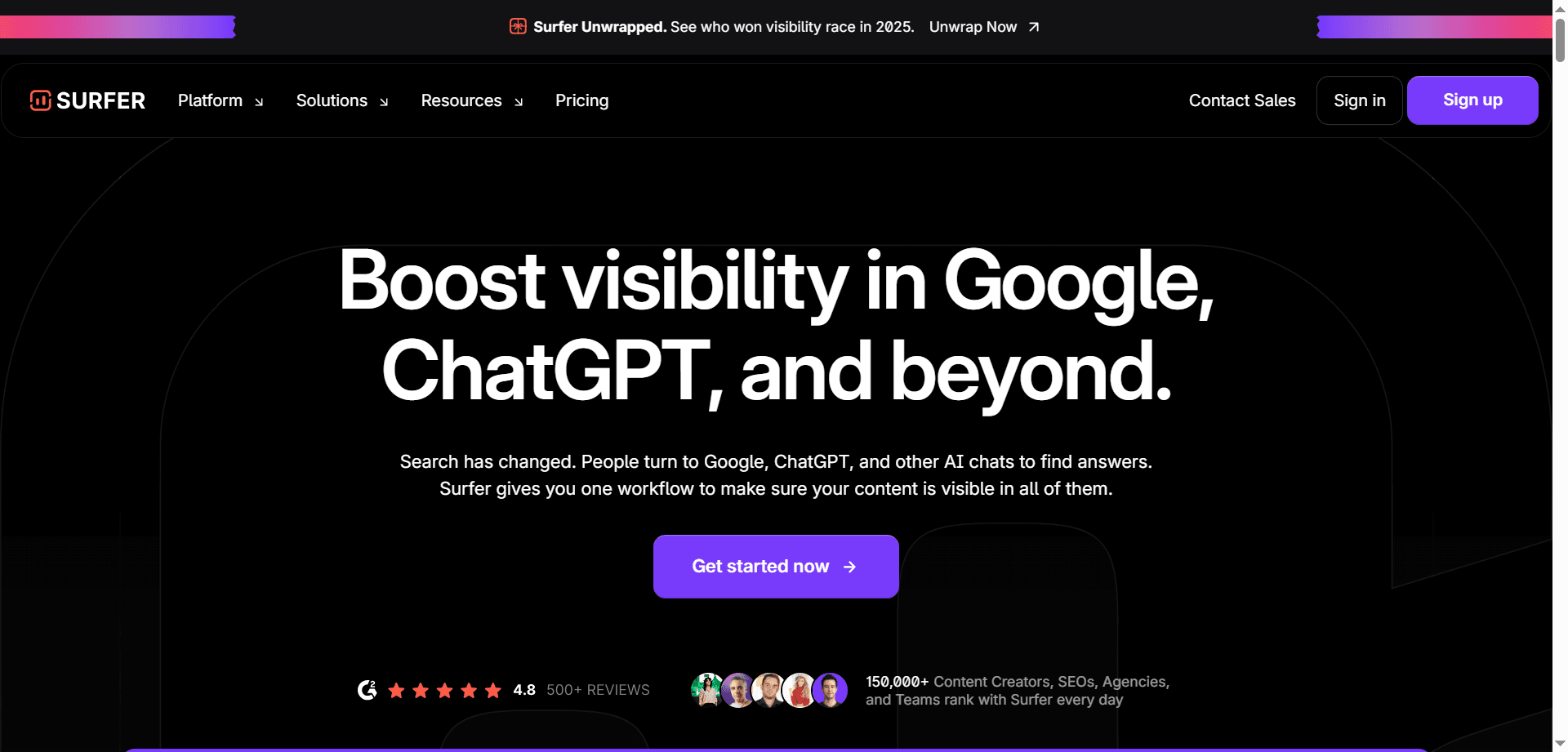
Surfer SEO has evolved beyond traditional Google optimization to address the emerging reality of "Zero-Click Search" where AI search engines like Perplexity, ChatGPT, and Gemini directly answer user queries rather than sending traffic to websites. The 2026 edition focuses on optimizing content so AI search engines cite your brand as their primary source.
This shift is critical for future-proofing content strategy. As more searches are answered directly by AI without users clicking through to websites, being the cited source becomes more valuable than ranking first in traditional search results. AI engines cite authoritative, well-structured, comprehensive content that clearly answers user intent.
Surfer SEO analyzes how AI models evaluate content authority and structures your content to maximize citation probability. This includes proper use of structured data, clear factual claims with supporting evidence, comprehensive topic coverage, and authoritative tone that AI systems recognize as trustworthy.
For brands investing heavily in content marketing, optimizing for AI search ensures content investments remain valuable as search behavior evolves beyond traditional link-clicking to AI-mediated information discovery.
Munch : Viral-Moment Identification and Editing

Munch has gone viral among social media teams for its ability to automatically analyze long-form videos—podcasts, webinars, interviews, tutorials—and identify the most engaging moments for conversion into short-form clips optimized for TikTok, Instagram Reels, and YouTube Shorts.
The AI understands what makes content engaging on each platform, identifying moments with strong hooks, emotional peaks, surprising information, or quotable statements. It then automatically edits these moments into platform-optimized clips with appropriate aspect ratios, pacing, and length.
This automation solves a major content production bottleneck. Many brands create excellent long-form content but lack the video editing resources to extract and optimize clips for social distribution. Munch handles this process automatically, multiplying the value of each long-form piece by generating dozens of social assets.
For brands producing regular video content, Munch transforms one piece of long-form content into weeks worth of social posts, dramatically improving content ROI and social media consistency without proportionally increasing production resources.
Zapier Agents : Silent Background Workers

Zapier Agents represent the evolution of marketing automation from simple trigger-based workflows to intelligent agents that handle complex multi-step processes autonomously. These "silent background workers" can watch your systems for specific conditions and execute sophisticated workflows without human intervention.
For example, you can build an agent that monitors your email for new leads, automatically researches their company using web search and database lookups, drafts a personalized proposal incorporating relevant case studies and pricing, populates a CRM record with all gathered information, and pings your Slack when everything is ready for human review.
This level of automation eliminates the routine but time-consuming work that prevents marketing teams from focusing on strategy and creativity. Tasks that previously required multiple tools, manual steps, and human coordination happen automatically and consistently.
The agents work across 6,000+ integrated apps, meaning you can automate workflows spanning your entire marketing technology stack. The result is operations that scale without requiring proportional increases in team size or manual coordination overhead.
HubSpot Breeze : Integrated Marketing Intelligence
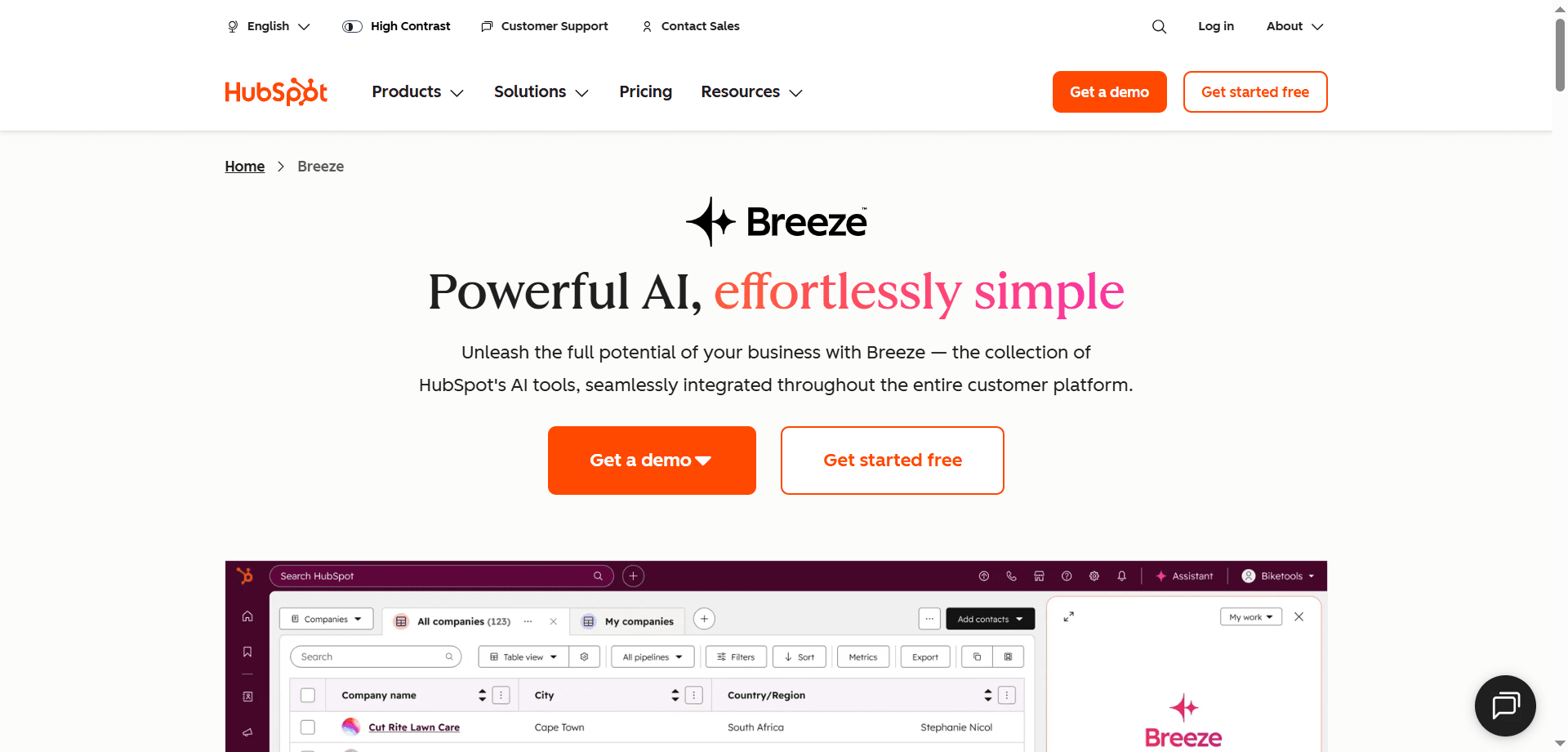
HubSpot Breeze serves as HubSpot's built-in AI assistant, providing continuous intelligence across your entire marketing operation. It handles lead scoring automatically, suggests optimal email send times based on recipient behavior patterns, and surfaces hidden trends in your CRM data that humans might miss.
The integration advantage is significant—Breeze has access to all your HubSpot data and can provide insights spanning marketing, sales, and customer success. It identifies patterns like "contacts who attend webinars have 3x higher conversion rates" or "deals are most likely to close on Thursdays" that inform better strategic decisions.
For teams already using HubSpot, Breeze provides AI capabilities without requiring additional tool integration or data synchronization. The assistant continuously works in the background, proactively surfacing insights and automating routine decisions based on comprehensive understanding of your entire customer journey.
Warmly : Website Visitor Intelligence
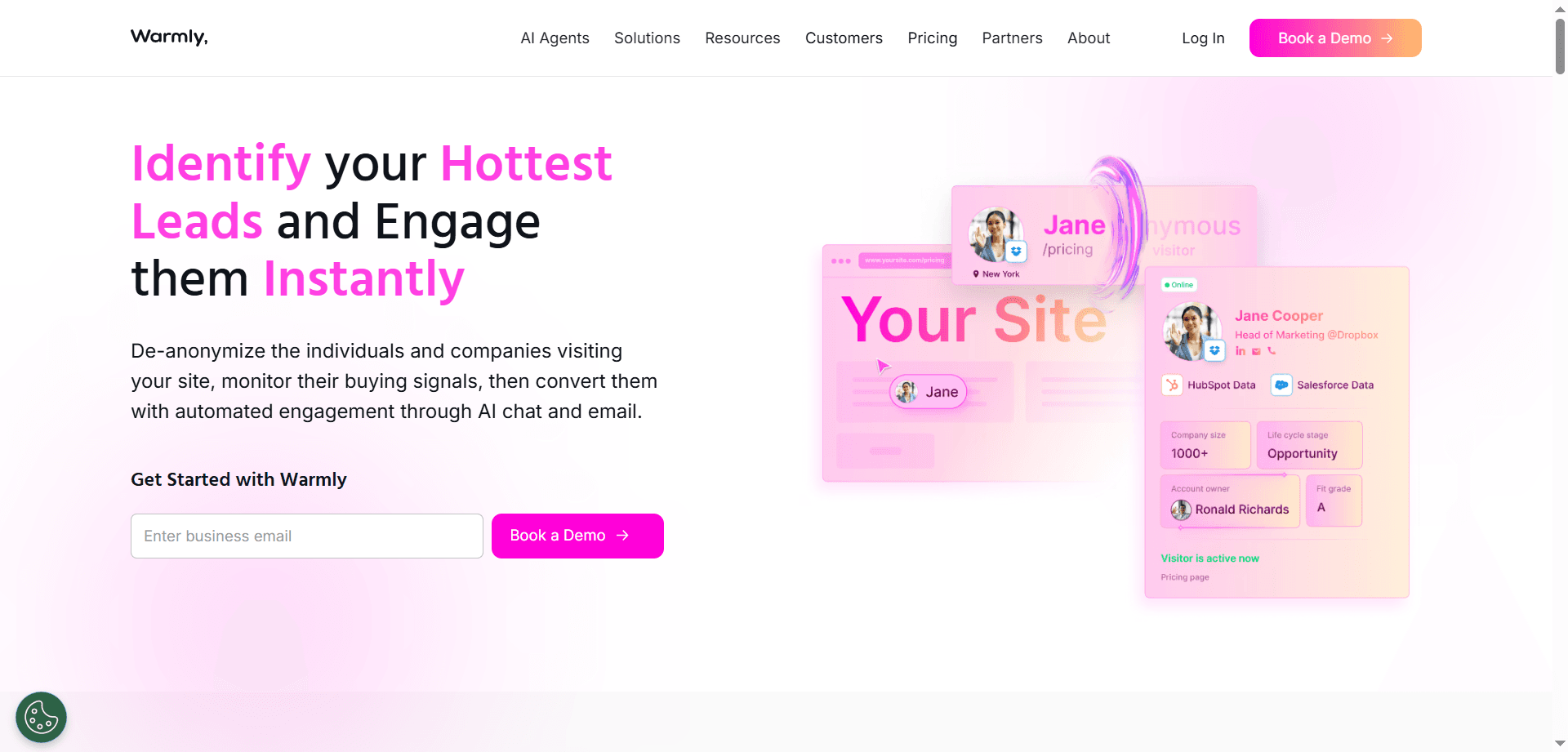
Warmly has become trending for B2B marketing teams by solving a persistent challenge: understanding who's visiting your website before they fill out a form. The platform "deanonymizes" website traffic, identifying which companies and often which specific individuals are viewing your content, then uses AI to instantly trigger personalized outreach to appropriate decision-makers.
This capability transforms website analytics from passive observation to active lead generation. When a target account visits your pricing page or case studies, Warmly identifies the visitor, enriches data with company information and contact details, and automatically initiates personalized outreach through appropriate channels.
The AI determines the best outreach approach based on visitor behavior, company characteristics, and historical conversion data. A visitor showing high buying intent might receive immediate personalized video outreach, while early-stage researchers might be added to nurture campaigns.
For B2B teams practicing account-based marketing, Warmly provides real-time intent signals and enables instant response to buying interest, dramatically shortening sales cycles and improving conversion rates from anonymous website traffic to qualified opportunities.
Video Production → Sora + ElevenLabs
Why It's Trending: Combines cinematic visuals with hyper-realistic AI voiceovers for complete video production without film crews or voice actors. Enables video-first strategies at any budget.
Content Strategy → Jasper + Surfer SEO
Why It's Trending: Maintains perfect brand voice consistency while optimizing for both traditional and AI-powered search engines. Future-proofs content investments.
Lead Generation → Warmly
Why It's Trending: Converts anonymous website visitors into identified leads with automatic personalized outreach. Captures intent signals competitors miss.
Operations → Make.com / Zapier
Why It's Trending: Connects your entire marketing stack into one autonomous system where agents handle routine workflows without human intervention.
Advertising → Albert + Madgicx
Why It's Trending: Autonomous campaign optimization across platforms with conversational data intelligence. Maximizes ROAS while minimizing management overhead.
Personalization → HeyGen / Synthesia
Why It's Trending: Delivers personalized video at scale, creating one-to-one communication that engages far better than generic content.
Successfully implementing marketing orchestration requires thoughtful integration of AI agents into a coherent system rather than deploying tools in isolation.
Orchestration requires data flowing between systems. Use tools like Zapier or Make.com to ensure customer data, behavioral signals, and performance metrics are accessible across your stack. Without integration, AI agents operate with incomplete information.
Implement Jasper for written content, Leonardo.ai for visual assets, and Sora for video production. Train these tools on your brand identity to ensure output consistency. This layer handles creative asset generation at scale.
Deploy Albert or similar tools for autonomous advertising management. Use Surfer SEO to optimize content for discovery. Implement Munch to multiply video content across social channels. This layer handles tactical execution and continuous optimization.
Integrate HeyGen or Synthesia for personalized video, Warmly for intelligent outreach triggering, and HubSpot Breeze for personalized email timing and messaging. This layer ensures every interaction feels personally relevant.
Use Madgicx for conversational analytics, Google Flow for predictive campaign management, and HubSpot Breeze for trend identification. This layer provides the insights that inform strategic decisions and agent optimization.
Zapier Agents or Make.com workflows coordinate between layers, ensuring data flows correctly, agents trigger appropriately, and the entire system operates as one cohesive marketing engine rather than disconnected tools.
The holy grail of marketing has always been one-to-one personalization: treating each customer as an individual rather than a segment member. AI agents finally make this economically viable at scale.
AI agents analyze individual behavior patterns—content consumed, time spent on pages, email engagement, product views—to determine optimal messaging, timing, and channel for each interaction. This goes far beyond basic segmentation to true individual-level personalization.
Tools like Jasper and HeyGen generate content variations tailored to individual recipients. Email copy adjusts based on industry, role, and previous interactions. Video content references specific company names and contexts. Landing pages display relevant case studies and social proof.
AI predicts which offers, messages, and content types are most likely to resonate with specific individuals based on similar customer patterns. This predictive capability means personalization improves continuously as agents learn from outcomes.
Orchestration ensures personalized experiences remain consistent across channels. The message a prospect sees in a video ad aligns with their email content, which matches their website experience. This consistency reinforces messaging while feeling personally crafted.
The key to effective personalization at scale is maintaining authenticity. Over-personalization can feel creepy or manipulative. The best implementations feel helpful and relevant rather than invasively personal.
Proving marketing ROI becomes both easier and more complex with AI agent orchestration. Easier because everything is trackable and measurable; more complex because attribution across autonomous agents requires sophisticated analysis.
Tools like Albert and Madgicx provide clear ROAS data for advertising spend. Content tools show traffic, engagement, and conversion impact. These direct metrics demonstrate tactical effectiveness and justify tool investments.
Calculate time saved through automation. If Munch eliminates 20 hours weekly of video editing, or Jasper replaces two content writer positions, these efficiency gains represent tangible ROI even before considering performance improvements.
Measure what's now possible that wasn't before. Running 50 personalized campaigns simultaneously, producing 100 pieces of on-brand content weekly, or maintaining presence across 15 channels might not have been feasible without AI orchestration. This expanded capability represents strategic value.
Consider what human marketers can now focus on instead of tactical execution. If senior marketers spend time on strategy, customer research, and creative direction rather than campaign management and content production, this higher-value work likely generates significant returns even if hard to quantify directly.
Implement sophisticated attribution models that account for AI agent contributions across the customer journey. Multi-touch attribution becomes essential when autonomous agents influence prospects at numerous touchpoints before conversion.
AI-powered marketing orchestration raises important privacy and ethical considerations that responsible teams must address proactively.
Tools like Warmly that deanonymize website visitors must be used ethically. Ensure compliance with privacy regulations and be transparent about data collection practices. Just because you can identify visitors doesn't mean every use case is appropriate.
There's a line between helpful personalization and creepy surveillance. Avoid personalization that reveals you know things about individuals they didn't explicitly share. Just because your data indicates something doesn't mean referencing it feels acceptable to the recipient.
Consider whether audiences should know content is AI-generated. While not legally required in most contexts, some brands are building trust by being transparent about AI use in content production, particularly for video avatars.
AI systems can perpetuate or amplify biases in training data. Regularly audit AI-generated content and targeting decisions for bias. Ensure diverse representation in visual content and avoid targeting or messaging that discriminates even unintentionally.
Marketing AI agents access substantial customer data. Implement appropriate security measures, limit agent access to necessary data only, and ensure third-party AI tools meet your security standards.
The shift to orchestrated marketing changes required team skills and structures. The most effective 2026 marketing teams look different from traditional organizations.
A new role focusing on configuring, coordinating, and optimizing AI agents. These team members understand both marketing strategy and AI capabilities, ensuring agents are deployed effectively toward business objectives.
Human creativity becomes more valuable, not less. Creative directors focus on brand strategy, messaging frameworks, and campaign concepts that AI agents execute. They review and refine AI outputs rather than creating every asset themselves.
As AI handles tactical execution, humans focus on interpreting insights, identifying strategic opportunities, and making judgment calls about direction. Strong analytical skills combined with marketing intuition become premium capabilities.
Understanding customer psychology, motivations, and context remains distinctly human. Teams invest more in customer research to inform AI agent training and ensure orchestration serves real customer needs rather than optimizing meaningless metrics.
Implementing and maintaining integrated AI orchestration requires technical skills. Team members who can work across marketing, data, and technology become increasingly valuable for building and maintaining orchestration systems.
The overall trend is toward smaller teams handling larger operations through effective AI orchestration, with humans focusing on strategy, creativity, insight, and customer empathy that AI cannot replicate.
The trajectory of marketing AI points toward increasingly autonomous systems capable of managing complete campaigns with minimal human intervention. Several emerging trends will shape the near future:
AI systems will analyze market conditions, competitor actions, customer sentiment, and historical data to recommend campaign strategies before humans ask, moving from reactive optimization to proactive strategy.
AI agents will maintain brand consistency across all touchpoints while adapting messaging for context, channel, and audience. Brand guidelines will evolve from documents into AI models that generate consistently on-brand content across any scenario.
Every customer will experience a unique journey orchestrated in real-time based on their behaviors, preferences, and predicted intent. Traditional campaign concepts will give way to individual-level orchestration at massive scale.
Rather than humans creating or AI generating, the future involves true collaboration where AI generates variations based on human creative direction, humans refine and evolve promising directions, and the cycle repeats until optimal creative emerges.
Attribution and measurement will happen automatically across all touchpoints, with AI providing clear understanding of what drives business outcomes and continuously optimizing the entire orchestration system toward those outcomes.
The marketers thriving in this future will be those who embrace AI as a multiplier of human creativity and strategy rather than viewing it as competition. The goal isn't replacing marketers but enabling them to achieve what's currently impossible with purely human execution.
Marketing in 2026 represents the early stages of a fundamental transformation from tactical execution to strategic orchestration. Teams adapting quickly to AI-powered marketing are achieving reach, personalization, and efficiency that seemed impossible just years ago. This isn't about working longer hours or spending more budget—it's about letting AI agents handle execution at scale while human marketers focus on the creativity, strategy, and customer empathy that drives meaningful business results.
The future of marketing isn't humans versus AI—it's humans working with AI to build deeper customer relationships, create more engaging experiences, and drive better business outcomes while maintaining the authenticity and emotional connection that makes marketing effective.
Discover the essential AI tools dominating 2026 that will transform your productivity. From ChatGPT to Cursor, learn which tools will help you work faster and smarter.

Discover the top AI tools revolutionizing content creation in 2026. From video editing to social media management, learn which tools will transform your creative workflow.

Discover how modern professionals are transforming from manual app-switching to AI-powered integrated orchestration. Learn the tools and strategies that eliminate workflow friction and multiply daily productivity.

Discover how the software development landscape has transformed from AI-assisted coding to Agentic Engineering. Learn about the best AI tools developers use in 2026 to manage fleets of AI agents for autonomous development.